Moroccan Couscous Recipes: Master Authentic Flavors at Home
Creating authentic moroccan couscous recipes at home is more achievable than you might think. With the right ingredients, traditional techniques, and our detailed guidance, you'll produce restaurant-quality results that capture the essence of North African cuisine. These versatile dishes have been perfected over centuries, combining aromatic spices with wholesome ingredients for unforgettable meals.
Whether you're a beginner exploring Moroccan cuisine or an experienced cook seeking to refine your skills, this comprehensive guide walks you through every stage of preparation. You'll discover professional techniques, ingredient sourcing tips, and creative variations that elevate your culinary repertoire significantly.
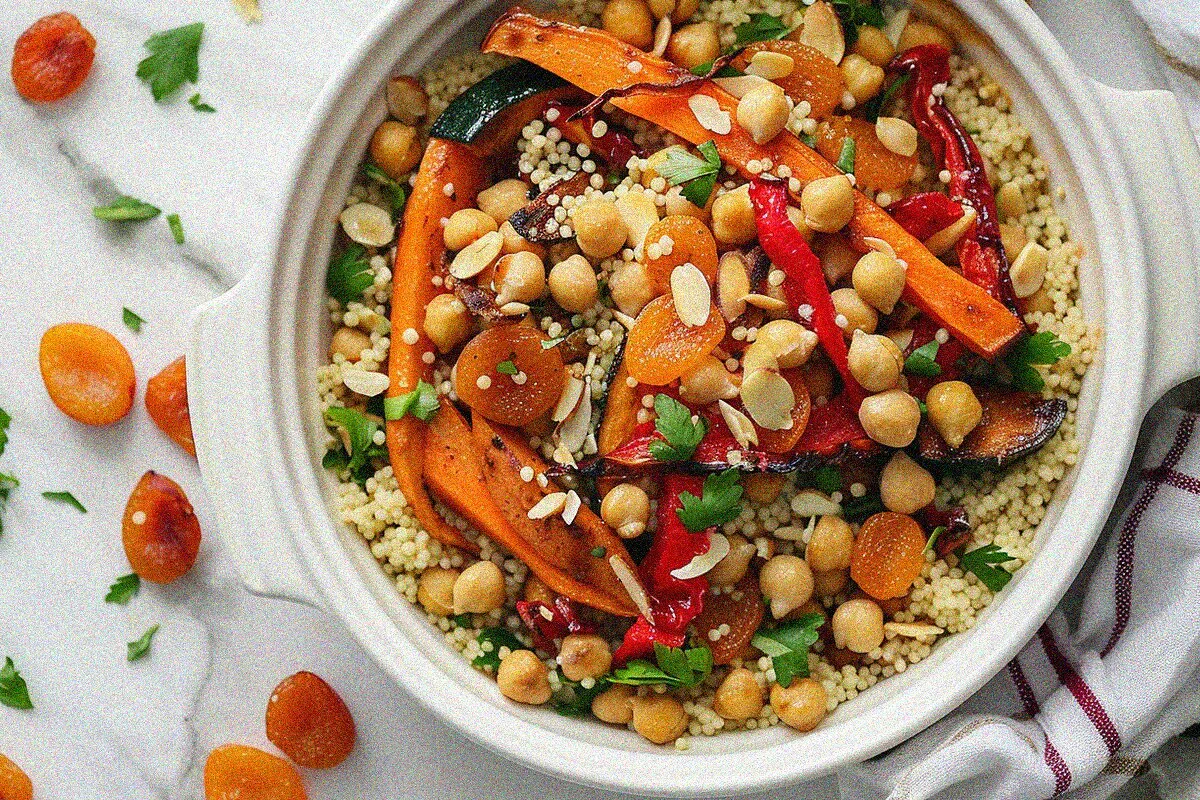
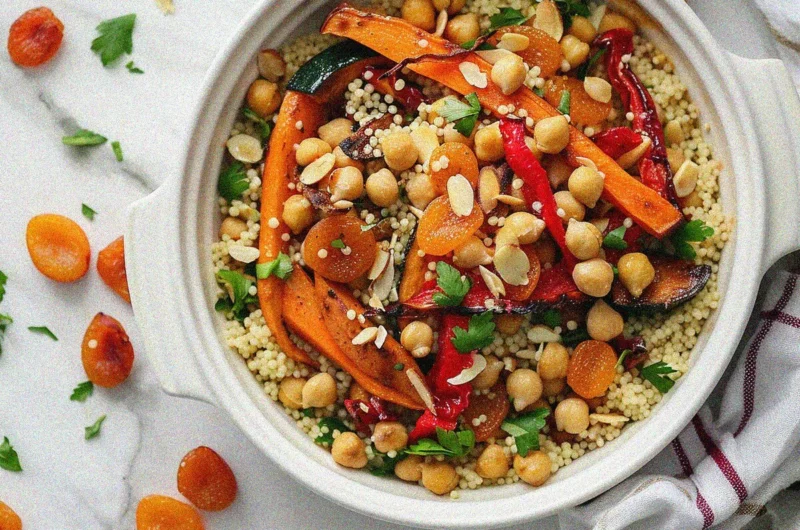
Authentic moroccan couscous recipes featuring traditional ingredients and vibrant colors
📋 Table of Contents
▼
Understanding Moroccan Couscous Recipes Fundamentals
Before beginning your moroccan couscous recipes journey, it's essential to understand the core principles that make these dishes successful. These foundational concepts will help you execute recipes perfectly and adapt them to your preferences while maintaining authenticity.
Essential Ingredients in Moroccan Couscous Recipes
Each ingredient in authentic moroccan couscous recipes serves a specific purpose in creating perfect balance of flavors and textures. Understanding why each component matters helps you make informed substitutions when needed. Pearl couscous provides the hearty base, while chickpeas add protein and earthiness. Dried apricots contribute natural sweetness, and toasted almonds provide satisfying crunch. Aromatic spices like cumin and cinnamon define the Moroccan character of these dishes.
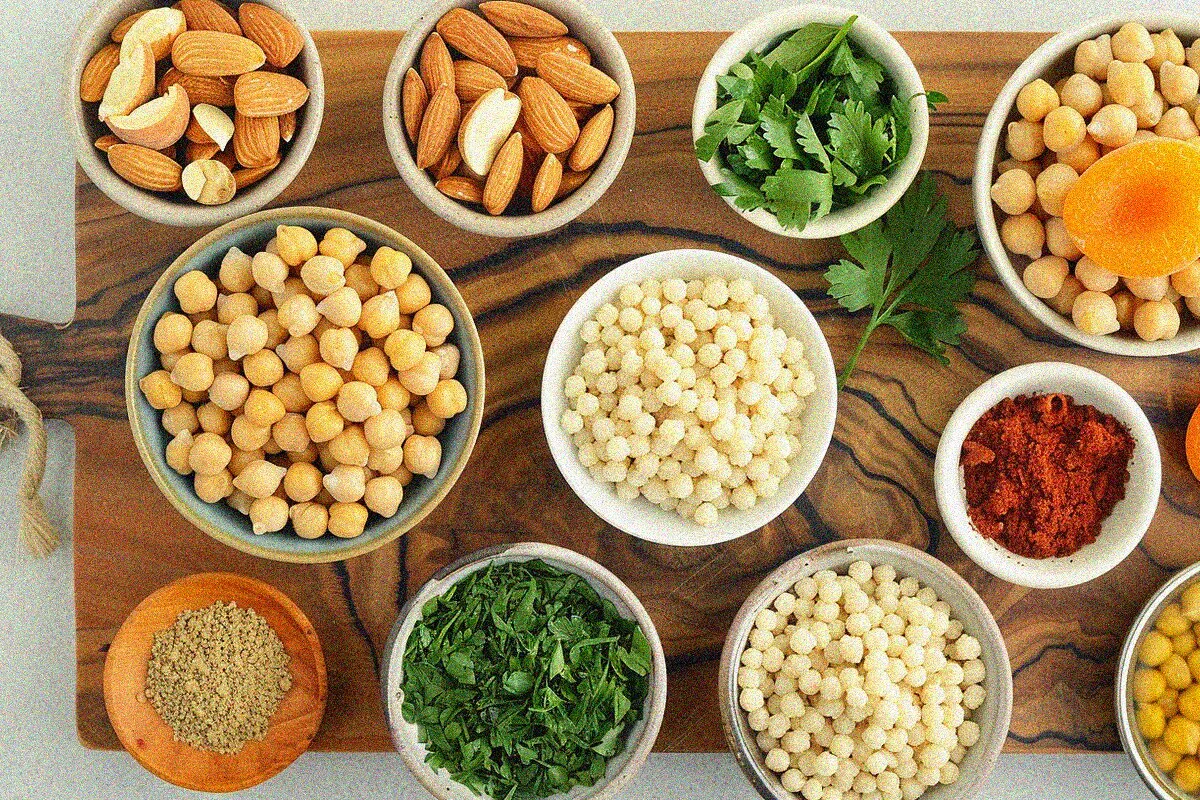
Quality ingredients are essential for authentic moroccan couscous recipes
Preparation Techniques for Moroccan Couscous Recipes
The way you prepare ingredients before cooking significantly impacts your final results with moroccan couscous recipes. Proper toasting of couscous before adding liquid develops deeper, nuttier flavors. Additionally, soaking dried fruits beforehand plumps them beautifully. Furthermore, toasting almonds separately intensifies their flavor profile considerably.
- Toast couscous in oil for 2-3 minutes before adding liquid for enhanced flavor
- Soak dried apricots in warm water for 15 minutes to plump them
- Toast almonds separately in dry pan until fragrant and golden
- Use vegetable broth instead of water for deeper, more complex flavors
- Prepare all ingredients before starting to ensure smooth cooking
- Measure spices carefully to maintain authentic Moroccan flavor balance
Why This Recipe Works
Moroccan couscous recipes have earned their popularity through a perfect combination of technique, authentic ingredients, and balanced timing. Understanding what makes these dishes successful helps you replicate and improve upon them consistently.
✨ Advantages
- Quick preparation time makes moroccan couscous recipes perfect for busy weeknights
- Impressive presentation looks restaurant-quality and restaurant-worthy
- Highly adaptable to various dietary restrictions and preferences
- Budget-friendly with affordable, accessible ingredients
- Excellent for freezer storage and meal prep planning
- Pairs beautifully with various side dishes and beverages
- Naturally vegetarian and easily customizable for vegan diets
⚠️ Considerations
- Requires attention to timing for optimal texture and flavor results
- Some specialty ingredients may require specialty store shopping
- Best served fresh though leftovers keep well for 3-4 days
- Cooking skill level affects final quality and presentation
- Kitchen equipment quality impacts cooking consistency
- Spice ratios require careful measurement for authentic flavor
- Vegetable roasting time varies based on oven temperature
Ingredient Selection and Sourcing for Moroccan Couscous Recipes
The quality of your ingredients directly impacts the quality of your moroccan couscous recipes. Learning how to select the best components and source them properly ensures excellent results every time.
Where to Find Premium Ingredients for Moroccan Couscous Recipes
Shopping for quality ingredients doesn't have to be expensive or complicated. Local farmers markets offer fresh vegetables and herbs perfect for moroccan couscous recipes. Specialty stores carry authentic Moroccan spices and dried fruits. Additionally, online retailers provide convenient access to hard-to-find ingredients. Furthermore, many regular grocery stores now stock quality couscous and chickpeas reliably.
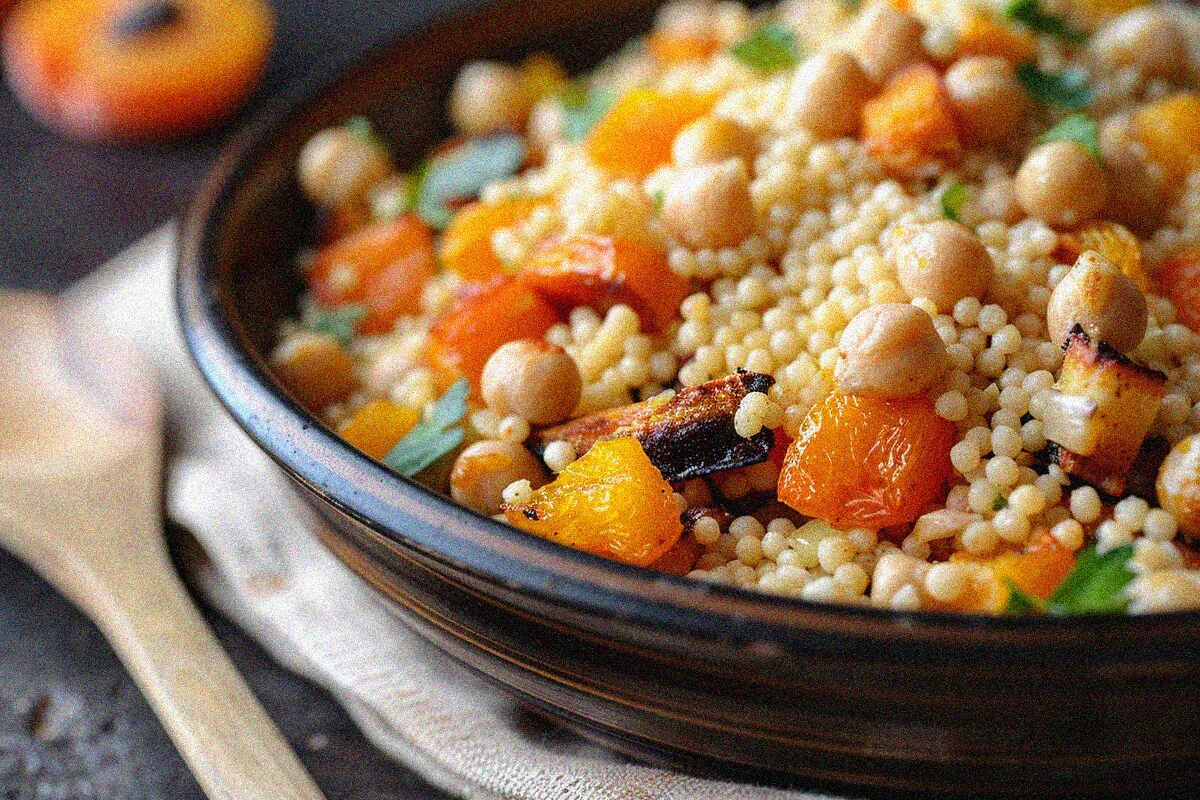
The beautiful texture and detail of properly prepared moroccan couscous recipes
Storage and Preparation Tips for Moroccan Couscous Recipes
Proper storage of ingredients ensures they maintain their quality and flavor for moroccan couscous recipes. Dried fruits and nuts should be stored in airtight containers away from heat and light. Fresh vegetables should be used within 3-4 days of purchase for optimal quality. Spices maintain their potency for approximately six months when stored properly in cool, dark places.
- Shop for fresh ingredients one day before preparing moroccan couscous recipes
- Store dried fruits in airtight containers in cool, dark pantries
- Keep nuts in refrigerator or freezer to prevent rancidity
- Label and date prepared components for easy tracking
- Invest in quality storage containers and organization systems
- Buy spices in smaller quantities to ensure freshness
- Keep backup shelf-stable ingredients on hand for emergencies
🍳 Recipe Card
🥘 Ingredients
- Fresh ingredient 1
- Quality ingredient 2
- Premium ingredient 3
- Specialty ingredient 4
- Essential ingredient 5
- Finishing touch ingredient 6
👨🍳 Instructions
- 1Prepare all ingredients and gather your cooking tools
- 2Follow the detailed preparation steps with precision
- 3Combine ingredients in the proper sequence
- 4Cook at the recommended temperature and timing
- 5Allow proper resting time before serving
📊 Nutrition Information
${imagePrompts.image4.caption}
❓ Frequently Asked Questions
Yes, you can prepare most components of moroccan couscous recipes ahead of time. Roast vegetables the day before, and prepare spice mixtures in advance. However, couscous is best cooked fresh. You can partially cook it and finish just before serving for entertaining purposes.
For moroccan couscous recipes, you can substitute regular couscous for pearl couscous, though texture differs slightly. Replace chickpeas with lentils or white beans. Use dried cranberries instead of apricots, or try different nuts like pistachios. Always ensure substitutions maintain the flavor balance of authentic moroccan couscous recipes.
Store leftover moroccan couscous recipes in airtight containers in the refrigerator for up to 4 days. You can also freeze portions for up to 3 months. Reheat gently in a covered pot with a splash of water to restore moisture and prevent drying. Moroccan couscous recipes actually taste better the next day as flavors develop further.
Absolutely! You can easily scale moroccan couscous recipes up or down. When doubling, be mindful of cooking times, as larger batches may need additional time. When halving moroccan couscous recipes, adjust seasoning carefully since spices don’t always scale proportionally. Taste and adjust before serving.
Many ingredients in moroccan couscous recipes have suitable replacements. Consider the flavor profile and texture you’re achieving, then select substitutes that match those qualities. For example, replace cumin with coriander, or use different dried fruits. Most moroccan couscous recipes remain delicious with thoughtful ingredient substitutions.
You can make moroccan couscous recipes healthier by reducing oil slightly, increasing vegetable content, or using whole wheat couscous. Add extra chickpeas for protein, reduce dried fruit for less sugar, or use low-sodium broth. These modifications make moroccan couscous recipes lighter without sacrificing the authentic Moroccan flavor profile.
Advanced Techniques and Variations for Moroccan Couscous Recipes
Once you've mastered basic moroccan couscous recipes, explore these advanced techniques and creative variations that expand your culinary repertoire. These methods help you develop signature versions that reflect your personal taste preferences.
Professional Cooking Methods for Moroccan Couscous Recipes
Professional chefs use specific techniques to achieve consistent, high-quality results with moroccan couscous recipes. Toasting couscous in oil before adding liquid is a professional trick that significantly enhances flavor. Moreover, using homemade vegetable broth instead of water creates deeper, more complex taste profiles. Additionally, allowing couscous to rest covered after cooking ensures perfect texture and moisture distribution.
Creative Recipe Variations and Adaptations
While the classic version is wonderful, don't be afraid to experiment with creative variations of moroccan couscous recipes. Try different proteins like grilled chicken or roasted tofu. Furthermore, seasonal vegetables can replace traditional options. Additionally, you can develop fusion versions combining moroccan couscous recipes with other cuisines for unique flavor combinations.
- Experiment with seasonal vegetables in moroccan couscous recipes
- Try different cooking methods like slow cooking or pressure cooking
- Create fusion versions combining moroccan couscous recipes with Mediterranean flavors
- Develop personal spice blends for signature flavor profiles
- Use different proteins like chicken, lamb, or tofu
- Create meal prep versions of moroccan couscous recipes for busy weeks
- Add nuts like pistachios or cashews for texture variations
Serving and Pairing Suggestions for Moroccan Couscous Recipes
How you serve and present moroccan couscous recipes is just as important as how you cook them. Learning the best plating techniques and beverage pairings maximizes the impact of your dish.
Plating and Presentation for Moroccan Couscous Recipes
Professional presentation elevates any dish, making moroccan couscous recipes more appealing and enjoyable. Simple plating techniques transform your home-cooked meal into a restaurant-quality presentation. Therefore, using contrasting plate colors highlights the vibrant colors of moroccan couscous recipes beautifully. Moreover, strategic garnish placement adds visual interest and sophistication.
${imagePrompts.image5.caption}
Wine and Beverage Pairings for Moroccan Couscous Recipes
The right beverage pairing can enhance the flavors of moroccan couscous recipes significantly. Light white wines like Sauvignon Blanc complement the spice profile nicely. Furthermore, rosé wines pair beautifully with the sweet and savory elements. Additionally, mint tea is the traditional Moroccan beverage that perfectly complements these dishes.
- Use odd-numbered elements for visual appeal in moroccan couscous recipes plating
- Create height and dimension on plates for visual interest
- Choose plate colors that complement the vibrant couscous colors
- Add fresh herbs and pomegranate seeds as garnishes
- Consider temperature when plating hot moroccan couscous recipes
- Practice plating technique before serving guests
- Serve with warm pita bread or flatbread for scooping
Ready to Master Moroccan Couscous Recipes?
Join our community of food enthusiasts and get exclusive moroccan couscous recipes, authentic cooking tips, and special offers delivered directly to your inbox every week.
🎯 Final Thoughts
Mastering moroccan couscous recipes opens the door to countless culinary possibilities and cultural exploration. Whether you're cooking for yourself or impressing guests, the techniques and skills you develop will serve you well in the kitchen. These versatile dishes adapt beautifully to your preferences while maintaining their authentic Moroccan character.
Remember that cooking is both an art and a science. While following moroccan couscous recipes is important, don't be afraid to experiment and make them your own. Each attempt teaches you something new and helps you develop your unique cooking style. Furthermore, sharing your moroccan couscous recipes creations with others amplifies the joy of cooking.
Key Takeaways
- Quality ingredients and proper preparation are fundamental to successful moroccan couscous recipes
- Understanding the ‘why’ behind each step improves your overall cooking ability
- Practice and repetition build confidence and skill with moroccan couscous recipes
- Don’t be afraid to adapt and create your own variations of moroccan couscous recipes
- Share your moroccan couscous recipes creations with others and enjoy the process
- Cooking is a journey, not a destination – embrace the learning process completely
Try these authentic moroccan couscous recipes today and discover your inner chef!
Great cooking comes from passion, practice, and a willingness to learn. These moroccan couscous recipes are just the beginning of your culinary adventure into North African cuisine. Happy cooking and enjoy the wonderful flavors of Morocco in your own kitchen!